Cecot: El Salvador’daki Hapishanenin Başarılı Sonuçları

Dünyanın en fazla cinayet oranına sahip ülkesi El Salvador, 2019’da Nayib Bukele’nin Cumhurbaşkanı olmasından sonra büyük değişimler yaşadı. Ülkeyi huzur şehirleriyle donatacağını vadeden Bukele, Terörizmi Hapsetme Merkezi (Cecot) adında, insan hakları savunucularını ve çete üyelerini perişan eden hapishaneyi kurdu. Görüntüleri hepimiz gördük. Beyaz ve tek tip kıyafetlerdeki çete üyeleri ilk olarak 2022’de buraya nakledildi. Kısaca hapishaneden bahsedip sonuca geleyim.

Mahkumlar dört katlı ranzalarda kalıyor ve herhangi bir alet ölümcül bir sil*ha dönüştürülebileceğinden pirinç, fasulye, haşlanmış yumurta ya da makarnadan oluşan yemeği elleriyle yemek zorundalar. Çok sıcak bir ülke olmasına rağmen sıcaklara karşı pencere de yok havalandırma da.

Yedi futbol stadyumuna denk gelen devasa kompleks; 19 kule tarafından korunan dış cephe, iki elektrikli çit ve güçlendirilmiş iki betonarme duvarla çevrili. Güvenlik had safhada. Gardiyanların hepsinin yüzleri kapalı. Burada kalan mahkumların kim olduğu uluslararası örgütlerden de saklanıyor. Görüş günü yok.

Anketlere göre halkın yüzde 92’si Cumhurbaşkanı Nayib Bukele’nin kararını destekliyor. Zaten bu ayki seçimlerde Bukele, oyların yüzde 80’inden fazlasını alarak yeniden zafer ilan etti.

İstatistiklere göre son 30 yılın en düşük cinayet sayıları görülmüş ve cinayetler 20 kat azalmış. Genel olarak El Salvador’da cinayet oranları yüzde 70 azaldı. İki seneden daha kısa bir sürede, 100 bin kişi başına 2,4’lük bir cinayet oranına ulaşıldı. Arkadaşlar bu rakam Kanada hariç Amerika kıtasındaki en düşük oran, şaka değil. Bir zamanlar dünyada en fazla cinayetin işlendiği ülke, yakın bir zamanda Avrupa seviyelerine gelecek. BBC ise hâlâ “insan haklarının kara deliği” diyor.

Bu konuda da gerçekçi olalım. Bu hapishaneye sadece vahşi katliam yapan çete üyeleri atılıyor. Adam 4 askerin kafasını kesip nehre atmış. Bu adam hapishaneye girip paşalar gibi mi yaşasın? Hastalık ne kadar büyükse, tedavi de o kadar ciddi olmalı. Kanser hastasına soğuk algınlığı ilacı verip gönderemezsin.

Mısır-Türkiye İlişkileri: ‘Kaybolan Yıllar’

Cumhurbaşkanı Erdoğan, “Yüksek Düzeyli Stratejik İşbirliği Konseyimizi, cumhurbaşkanları seviyesine taşıdık. Değerli kardeşimi, konsey toplantımızı gerçekleştirmek üzere ilk fırsatta Ankara’ya beklediğimi söyledim” dedi. Sisi ise bu davete yanıt olarak Nisan ayında Türkiye’ye gideceğini belirtti…

“Katil” ve “diktatör” Sisi’nin “kardeş” olması, Türk diplomasisi açısından hem sevindirici hem de güvensizlik göstergesi. 2013’ten bu yana “katil” Sisi ile ilişki kurmayı reddeden Cumhurbaşkanı Erdoğan, 2022’de Doha’daki Dünya Kupası’nda el sıkışmasıyla yeni bir sayfa açmıştı.

Sayfa açılmadan önce Körfez ve Akdeniz’den adeta soyutlanan Türkiye, şu anki MİT Başkanı, dönemin CB Sözcüsü İbrahim Kalın’ın “değerli yalnızlığı” ile karşı karşıyaydı.

Türkiye ve Mısır, 10 yıl sonra ilk kez Temmuz 2023’te karşılıklı olarak büyükelçi atama kararı aldıklarını duyurdular. İki ülkenin iyi ilişkiler kurmasının, iki ülke için de katkısı paha biçilmez.

Şu anda Mısır-Türkiye ticaret hacmi 10 milyar dolarındayken, İsrail-Türkiye ticaret hacmi 9 milyar dolara yakın. Mısır’ın nüfusu 110 milyon, İsrail’in ise 10 milyona yakın. Bu büyük kayıp. Küresel ticari nakliyatın yaklaşık yüzde 12’sinin geçtiği Süveyş Kanalı’na sahip olan Mısır; hem bölgenin hem de İslam aleminin en büyük ve en güçlü ülkelerinden biri. Ama 10 yıldır siyasi ilişki yoktu. Anlam veremiyorum gerçekten…

Mısır’ın için de Türkiye önemli bir ülke. Çünkü Mısır’ın komşusu Libya’da Türk ordusu var. Mısır’ın diğer komşusu Filistin’de yaşanan katliam ve olası riskler konusunda diplomasi masasının bir yanında Türkiye var. Akdeniz’de deniz alanlarında komşu. Akdeniz’in en stratejik noktasındaki Kıbrıs’ta 50 binden fazla Türk askeri var.

Mısır’ın sorun yaşadığı Etiyopya ile Türkiye, önemli ekonomik ve siyasi ilişkilere sahip. Yani Mısır bizim için önemli ama Kahire için Ankara da çok önemli.

Başta Cumhurbaşkanı Erdoğan ve Mısır lideri Sisi, “Şimdi bana kaybolan yıllarımı verdiler” diyerek, ikili ilişkileri ve Libya’dan Akdeniz’e kadar olan sorunları ele almalı, Akdeniz’de Yunanistan’ın maksimalist politikalarına karşı adım atmalı. Kaybolan yılları geri getirmek zor olacak.

Teksas’ta Yaşananların Özeti ve Teksas’ın Önemi

Teksas eyaleti Meksika sınırında yer alan, güney hattının en güçlü eyaletlerinden. Meksika’dan devam eden göçmen akışı durmayınca, kendi önlemlerini alan Teksas Valisi, sınıra dikenli teller yerleştirdi. Amerikan Başkanı Biden buna tepki gösterdi ama Vali bunu umursamadı. Bunun üzerine Biden yargıya başvurdu ve yargı tellerin kaldırılmasına hükmetti. Ama Teksas Valisi bunu da tanımadı ve baskılara karşı 25 Cumhuriyetçi eyaletin desteğini alarak direniş gösterdi. Üstüne bir de 10 eyalet Texas’a destek amaçlı asker gönderince, kriz farklı boyuta verildi.

Öncelikle ABD ordusunun bir parçası olan ulusal muhafızlar, doğrudan Teksas Valisi’nden emir alıyor ama tabi ki Başkan’ın emrinde hareket etmesi gerekiyor. Emir-komuta federal yönetime devredilmediği için kontrol Vali’de.

İkinci olarak da kriz patlat verince, Teksas’ın Cumhuriyetçi vekili Slaton, Demokrat Başkan Biden’e karşı bir yasa teklif etti. “Teksas eyaletinin ABD’den bağımsızlık olasılığını araştırmak için bir referandum düzenleyebilecek” yasa tasarısını teklif eden Slaton, dünyada “Teksas bağımsız mı oluyor?” konusunu gündeme getirdi. ABD’de anayasal olarak eyaletlerin tek taraflı bağımsızlık ilan etme yetkisi yok. Yani bağımsızlık muhabbeti dayanaksız. Olay bu. Ama Texas konusunda tarihi temel atalım.

Teksas, Meksika’dan ayrılarak 2 Mart 1836’da bağımsızlığını ilan etti, fakat ABD, Teksas Cumhuriyeti’ni 1837’de tanıdı. Yaklaşık 10 yıl sonra Teksas’ın ABD’ye katılması, ABD ile Meksika arasında savaşa neden oldu. Savaş’ı kazanan ABD ile Meksika arasında yapılan anlaşma kapsamında ABD’ye bağlanan Texas, zenginlerin büyük imtiyazlar elde ettiği yeni bir döneme girdi. Seçimleri kazanan Lincoln’ün “köleliğin kaldırılması” vaadi üzerine güneyde Texas öncülüğündeki 7 eyalet Amerikan Konfedere Devletleri’ni kurarak bağımsızlık ilan etti. İşte 1961’de başlayan ve toplamda 11 eyalet ile Amerikan İç Savaşı’nın güneyli “konfederasyon” tarafını oluşturan bölge, dört yıl kuzey eyaletleriyle savaştı. Sonunda savaşı Kuzey eyaletleri kazandı ve 1865’te kölelik kaldırıldı.

ABD’deki sağcıların en güçlü olduğu eyalet olan Teksas, sembol eyalet olarak gününüze kadar varlığını korudu.

Dünyada Parayla Satılan Vatandaşlığın Yarısı Türkiye’de

İtalyan gazeteci Marco D’eramo, İngiliz sol gazetelerinden New Left Review’da kaleme aldığı bir yazıda, Türkiye’deki vatandaşlık satışlarının çarpıcı yüzünü bizlere gösteriyor. Yazıya göre, dünya çapında gerçekleştirilen vatandaşlık satışlarının yarısından çoğu Türkiye’de yapılıyor.

2018’deki yönetmelikle 250 bin dolarlık gayrimenkul alan bir yabancıya Türkiye vatandaşlığı verilirken, 2022’de bu sayı 400 bin dolara çıktı. Sayı artınca vatandaşlık başvuruları azalsa da Türkiye hâlâ Arap ülkeleri ve savaş bölgelerinin elitleri için öncelikli tercihler arasında. (Aslında Ukrayna Savaşı nedeniyle 2022’ye konut satışları yüzde 15 arttı.)

D’eramo bunu, “Türkiye 80 milyonluk nüfusu ve güçlü ordusuyla dünyanın en güçlü 20 ekonomisinden biri.” olarak tanımlıyor. Her ne kadar pasaportumuz ABD ve Avrupa kadar kıymetli olmasa da yaşanabilirlik, lokasyon ve imkanlar açısında Türkiye bir cennet. Birçok Karayip ülkesinden daha oturmuş bir kültür ve sisteme sahip olan Türkiye, para biriminin düşük olmasıyla ekstra dikkat çekiyor.

Mesela İranlılar, çok uzun süredir Türkiye’ye geliyor. Vatandaşlık furyasından önce de Türkiye’yi güvenli liman olarak gören İranlılar, 2018’den sonra gayrimenkul alarak vatandaşlık elde etti. Yazıya göre İranlılar yılda 10 bin konut alıyor. Tabi ki bunların hepsi vatandaşlık almıyor. Mesela geçen sene en fazla konut Rusya, Irak, İran ve Suudilere satıldı.

Dünya genelinde yılda satılan yaklaşık vatandaşlık sayısı 50.000 civarında. Yarısı da Türkiye’de. Yatırımla vatandaşlık; güvenlik, kara para aklama ve vergi kaçırma gibi konularda sorunlar oluşturduğu için özellikle Güney Kıbrıs, Bulgaristan, Portekiz ve İrlanda’da son buldu. İngiltere de kısmen kaldırdı.

Portekiz’de kaldırılmasının en önemli sebebi ülkede konut krizinin yaşanması. Peki Türkiye?

Karayip ülkelerinden hallice vatandaşlığa sınır bile getirmeden emlakçı gibi ev satılmasını bekliyor. Hep bahsettiğim demografi olayına girmeyeceğim ama ev krizinin en büyük sebeplerinden biri bu.

Lüks evi yabancılar, alt segmenti Türk zenginleri, onun altını orta kesim, … , en altta sığınmacılar. Araya sıkışan bir Türk halkı var ve kirasını ödeyemiyor. Anlamak zor mu?

Almanya’nın İsrail Politikası: “Almanya=Soykırım”

Belki sizin için hiçbir şey ifade etmeyecek ama bilin…

Uluslararası Adalet Divanı’nın 1948 tarihli Soykırım Suçunun Önlenmesi ve Cezalandırılması Sözleşmesi’ne göre Güney Afrika, İsrail’in Gazze’de işlediği suçların soykırım suçu olduğunu iddia ederek dava açtı. Almanya da bu davaya “İddialar gerçek dışı” diyerek İsrail lehine taraf oldu. Ukrayna’nın Rusya’ya yönelik açtığı davada da Ukrayna lehine taraf olan Almanya, 20 binden insanı öldüren ve yüz binlerce insanı göçe zorlayan İsrail’in suç işlemediğini savundu.

Aslında 2019 yılında Almanya, “Soykırım dünyanın neresinde olursa olsun hepimizi etkiliyor.” diyerek Gambiya tarafından Myanmar hükümetine karşı Rohingya Müslümanlarına yönelik soykırım gerçekleştirildiğine dair açılan davada Gambiya’yı desteklemişti. Dünyanın neresinde olursa olsun ama İsrail tarafından Filistin’de yapılırsa iş değişir diyen Alman hükümeti, İsrail’in suçlarını dile getirmeyi geçtim, askeri ve ekonomik olarak Tel Aviv yönetimini destekleyerek 20 binden fazla ölen insanın sorumluları arasına girdi. Bir de İsrail’i savunmak için davaya müdahil oldu.

20. yüzyılda soykırım suçu nedeniyle İsrail’e milyarlarca dolar tazminat ödeyen Almanya, aynı yüzyılda Afrika’daki Namibya’da Herero ve Nama halklarına karşı soykırım işlediğini kabul etmesine rağmen tazminat ödemeyi reddetti. Çünkü Afrika halkı tazminatı hak etmiyordu.

“Almanya kötü, Batı öcü” demeyeceğim ama görün. ‘Demokrasi ve insan hakları savunucusu’ olan Almanya, tamamen siyasi ve ekonomik kaygıları nedeniyle İsrail-ABD ikilisine karşı gelemiyor, karşı gelemediği gibi destekleyerek “ben de sizdenim” diyor. Kendisinde adalet terazisini kurma hakkı görenlerin, kendi menfaatleri için bunu kullandığını görün, bilin. Bir milyona yakın Iraklı, Amerikan işgalinde ölürken üç maymunu oynadığını hatırlayın. En önemlisi de uluslararası ilişkilerde adalet ve insan haklarının tamamen çıkarlar doğrultusunda savunulduğunu unutmayın.

Almanya = ?

Çok ağır itham değil mi? Ama bazı gerçekler, ithamların bile başını ezebilecek kadar ağır.

25 Ocak 2024

İtalya ile Türkiye Göçmenlere Yönelik Anlaşma Yaptı mı?

İtalya Başbakanı Giorgia Meloni Cumartesi akşamı İstanbul’da Cumhurbaşkanı Erdoğan ile görüştü. Sonrasında ne basın toplantısı düzenlendi ne de iki taraftan görüşmenin içeriğiyle ilgili resmi bir açıklama yapıldı. Bu da hepimizi korkuttu. Yoksa…

İtalya’nın sağa yakın Il Giornale gazetesine göre insan kaçakçılığı ile ilgili Türkiye ile İtalya arasında anlaşma imzalandı. Haberde, “Başbakan’ın imzaladığı anlaşma, ‘Sultan’ Erdoğan’ın büyük nüfuz sahibi olduğu Libya’dan çıkışları durdurmayı amaçlıyor” dendi. İki taraf da resmi açıklama yapmadığı için, İtalyan gazetesinin bu haberine göre yorum yapacağız. Gazetenin içeriğine göre Libya’da askeri, siyasi ve ekonomik nüfuz sahibi olan Türkiye ile göçmenlerin Libya’dan çıkışı için anlaşma sağlandı. Yani Türk Deniz Kuvvetleri gemileri bölgede faaliyet yürütecek. Avrupa Birliği ile 2016’da imzalanan Geri Kabul Anlaşması gibi bir anlaşma söz konusu değil. Peki anlaşma olduysa neden gizleniyor?

Burada iki seçenek ortaya çıkıyor. Birincisi; geçişlerin denizden engellenmesi ise bu Türkiye’nin bölgedeki varlığını kabul etmek ve uluslararası hukuk açısından Libya’nın egemenliğinin ihlâli anlamına gelebilir. Alenen böyle bir iş birliği tarafları sıkıntıya sokabilir. İkincisi ise yakalanan Afrikalıların Türkiye’ye getirilmesi. Bu seçenek coğrafi sebeplerden dolayı biraz daha zor görünüyor. Bu operasyonun yükü çok büyük ve gizlenmesi en az coğrafi zorluklar kadar sancılı olur.

Hepimizin korkusu ise ikinci seçenek. Çünkü ne sığınmacılar konusunda ne de AB ile imzalanan Geri Kabul Anlaşması konusunda hükümet adım atmadı. Bu yönde bir çalışma olacağına dair ışık da yok. Şayet bu anlaşma gerçekleşmişse Türkiye için felaket olacaktır. Ancak Cumhurbaşkanlığı hiçbir anlaşma olmadığını açıkladı.

Sığınmacıları sokağa işeyen ya da işçi olarak tanımlamak; sığınmacının dini veya dilini masaya yatırmak, iyi veya kötü diye ayırmak, en hafif tabiriyle ahmaklıktır. Ayrım yapmadan, siyasi görüşümüz ne olursa olsun tüm sığınmacılara karşıyız ve bunu ırkçılığımızdan değil, Türkiye’nin geleceği için istiyoruz. Bu konuyu da ılımlı hale getirmek kimlerin işine geliyor, çok iyi biliyoruz.

23 Ocak 2024

Türkiye’nin Kuzey Irak Operasyonları, Harita ve TSK’nın Amacı

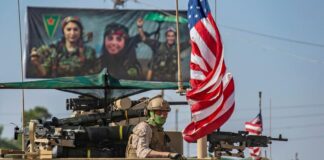
Türkiye’nin sınır ötesinde terörle mücadelesi Suriye’de olduğu gibi Irak’ın kuzeyinde de devam ediyor. 22 Aralık’ta Hakurk, bir gün sonra da Metina bölgesindeki üslere sızma girişiminde bulunan teröristlerin saldırısında 12 askerimiz şehit düştü. Acı olayın etkisi henüz geçmemişken, geçen hafta yine Irak’ın kuzeyindeki Metina bölgesindeki Türk askeri üssüne yapılan saldırıda 9 askerin şehit olduğu bildirildi.

Üç haftada 21 askerin şehit düştüğü saldırıların ardından en çok konuşulan konu, Türk Silahlı Kuvvetleri’nin Irak’ın kuzeyindeki varlığı oldu. Türkiye’nin sınır ötesinde üs noktaları oluşturmasındaki amaç ne? Türk Silahlı Kuvvetleri (TSK) yaklaşık 5 senedir bölgede neyi hedefliyor? Bu sorulara, anlaşılır bir dille cevap vermeye çalışacağım.

Öncelikle Irak’ın kuzeyindeki Türk askeri varlığından bahsedelim. Çoğumuz bunun yeni olduğunu düşünüyor. Oysa ki Kıbrıs’tan sonra ilk sınır ötesi operasyon 1983’te yapıldı. Sonrasındaki süreçte özellikle hava bombardımanlarıyla mücadele devam ederken, 90’larda neredeyse her yıl onlarca harekat düzenlendi. Bu operasyonlarda geçici askeri noktalar harekat boyunca kurulurken, harekat bittiğinde dağıtılıyordu. Yeni dönemde 40’tan fazla noktada askeri birlik konuşlandıran TSK, terör örgütünün alan hakimiyetini kısıtlamayı öncelikli hedef olarak belirledi.

Harekatlar Nerede Yapılıyor ve Neyi Amaçlıyor?

2016’dan itibaren IŞID ve Suriye’deki PKK’ya (YPG) yönelik operasyonlar icra eden, Irak’ın kuzeyinde ise tıpkı Suriye’deki gibi sınır güvenliğini sağlamaya yönelik harekatlar düzenleyen Türk ordusu, Mart 2018’de Kararlılık, 2019’da ise Pençe Harekatları ile yeni stratejinin ‘startını’ verdi.

Bu noktada biraz detaya gireceğim ama konuyu anlamamız adına bu şart. 27 Mayıs 2019’da Pençe-1 ve Pençe-2 ile Hakurk, aynı yıl Pençe-3 ile Haftanin’e sınır ötesi harekat düzenlendi. Buradaki ilerleyiş, PKK’nın sığınak ve kamplarının imhası ve temizlenen bölgelerdeki hakim tepelere askeri üsler kurularak devam etti.

Pençe-Kartal hava harekatı sonrası, Pençe-3 Harekatı’ndaki Haftanin’in daha da güneyine inilerek Pençe Kaplan Harekatı’nın başladığı duyuruldu.

2021’de Metina bölgesine Pençe-Şimşek, Avaşin-Basyan bölgesine ise Pençe-Yıldırım operasyonları düzenlendi.

Pençe Harekatları’nın farklı tarihlerdeki Kartal, Şimşek, Yıldırım ve Kılıç operasyonları ile Irak’ın 30 kilometre kadar içlerine girildiği belirtildi. Aslında haberlerde ya da bir tweet ile gördüğümüz “Pençe” harekatlarının her biri; derin, etkili ve zorlu bir mücadele örneği.

“Türkiye bu operasyonlarla teröristleri etkisiz hale getiriyorsa, neden Irak’ta üsler var? Benim askerim neden Irak’ta?” diye soruyor olabilirsiniz. Buna da ikinci başlıkta ele aldım.

Türkiye’nin Değişen Stratejisi ve Üslere Yönelik Tepki

Türkiye’nin savunma stratejisi, Cumhurbaşkanı Erdoğan’ın ‘sınırlarımızdaki tehdide yerinde müdahale edeceğiz’ söyleminden sonra değişti diyebiliriz. Medyada “terörü kaynağında yok etme” stratejisi olarak tanımlanan harekatlar, öncekilerin aksine kalıcılık üzerine. Daha basit haliyle, önceden terör örgütü mensupları Türkiye sınırındaki askeri üslere saldırır ve Irak’ın içlerindeki kamplara çekilirdi. Bu kamplarda yeni saldırılarıların hazırlıkları yapılırdı. Türk askeri de düzenlenen operasyonlarla teröristleri takip eder ve etkisiz hale getirirdi. Şu an bu değişti. Türk askeri, operasyonlarla terör örgütü mensuplarını etkisiz hale getiriyor ve bu bölgelerde askeri noktalar oluşturuyor. Fakat bu yeni “kalıcı olarak konuşlanma” stratejisine yönelik birçok eleştiri de mevcut. 90’larda birçok sınır ötesi harekatı yöneten emekli Tümgeneral Osman Pamukoğlu’nun konuya ilişkin yorumu şöyle:

“Biz oralarda üsler kuruyoruz. Fakat bu üs meselesi ben Hakkari’ye atandığımdan beri kabul etmediğim, uygulamadığım bir şey. Çünkü, bizim toprakla ilgimiz yok. Biz gireriz, 2-3 günde darmadağınık ederiz. 3-4 günden fazla kalmayız. Gayrinizami çatışmada toprak önemli değil. Teröristin kendisi önemlidir, bize kendisi lazım. Hududu korumak başka bir şey, teröristleri bulup yok etmek başka bir şey. Gayrinizami harpte tek bir formül vardır: Ara, bul, yok et. Ne üssü? ABD, Vietnam’da üsleri basılarak 56 bin ölü verdi. Üs demek, sen sabitsin demek, sen gözetleniyorsun, sen takip ediliyorsun demek. ‘En zayıf anında mutlaka ben sana baskın yaparım’ demek.”

Eski operasyonlardan farklı olarak yeni harekatlar ile sınır ötesinde askeri üs bulunduran Türkiye, PKK’nın Haftanin, Avaşin, Zap ve Hakurk’taki ideolojik, lojistik ve eğitim kamplarındaki harekat kabiliyetini daraltırken, güvenlik güçlerinin istihbarat ile birlikte yeni operasyonları için alan açıyor. Operasyonlarla sınır hattının 30 km derinliğinde bir (güvenli) tampon bölge kurulması, örgütün 40 yıldır girilemeyen kamplarına müdahale edilerek psikolojik üstünlüğünün elde edilmesi ve örgütün lojistik ağının kesilerek Türkiye içerisine Irak’tan saldırı düzenlenmesinin önüne geçilmesi hedefleniyor. Bu konuda başarılı olduğu da söylenebilir. Ancak, 90’larda dönemsel konuşlanmada işin doğası gereği çadırlarda kalan askerlerimizin, 2024 yılında, zorlu arazi şartlarında bile benzer şekilde konuşlanması büyük zafiyetler oluşturabiliyor.

Terörle mücadele kapsamında sahada varlık gösteren Türk ordusu, operasyonel becerisini bölge koşulları kapsamında geliştiriyor, terörü sınırın ötesinde karşılıyor. Değişen stratejiyi PKK’nın kırsal alandaki faaliyetleri üzerinden ele aldık ama tamamen bundan ibaret değil. Aslında PKK, son dönemde Suriye ve Irak’taki istikrarsız durumu kendi lehine çevirerek dağlardan şehire indi. Suriye’de ABD’nin desteğiyle ‘ordulaşma’ aşamasına gelirken; Irak’ta Sincar, Mahmur, Süleymaniye ve Kerkük’te etki alanını siyasi ve askeri olarak genişletti.

Türkiye’nin bu yeni stratejisini geniş perspektiften yorumlamamız, değişen bölgesel dinamikleri de masaya yatırdığımızda tehditleri sınırımızda karşılamamızın büyük riskler barındırdığını anlamamız büyük önem arz ediyor.

BAYDNO tarafından ele alınan yazı, 15 Ocak’ta BUNDLE’da yayınlanmıştır.

Bedelli Askerlik Seti ve Asker Malzemeleri Asker Kolisi’nde!

0

Bedelli askerlik sürecine hazırlık yaparken yanınıza almanız gereken malzemeleri düşündünüz mü? AskerKolisi.com olarak bedelli askerlik adaylarına özel olarak hazırlanan setleri ile sizlere hizmet veriyoruz. Yılların tecrübesi ve kalitesiyle, askerlik maceranızı daha konforlu ve uygun bir şekilde geçirmeniz için ihtiyaç duyduğunuz tüm ürünleri bir araya getiriyoruz.

Bedelli askerlik malzemeleri arasında en önemli detaylardan biri, TSK standartlarına uygun olan askeri iç çamaşırlarıdır. Asker Kolisi, %100 pamuk içerikli asker iç çamaşırlarıyla bu standartlara tam uyum sağlıyor. Bedelli askerlik seti içerisinde yer alan bu çamaşırlar, konforlu ve hijyenik bir kullanım sunarak sizi her anlamda desteklemektedir.

Bedelli askerlik setimizde bulunan diğer özel ürünler arasında bot vatkası, asker tişörtü, asker boxerı, asker çorabı, temiz-kirli çamaşır torbası, tıraş malzemeleri, ipli asker cüzdanı, pudra ve asker tabanlığı gibi ihtiyaç duyabileceğiniz her şey yer alıyor. AskerKolisi.com’un 6 yıllık deneyimi ve 20 binden fazla mutlu müşterisi, size en kaliteli hizmeti sunma taahhüdünü güçlendiriyor.

Bedelli askerlik sürecinde sizlere pratik çözümler sunan Asker Kolisi, bedelli askerlik setleri ile öne çıkmaktadır. Bu setler, ihtiyaç duyduğunuz tüm malzemeleri bir araya getirerek sizlere alışveriş stresinden kurtarıyor. Bedelli askerlik malzemelerini tek tek aramak yerine, uygun fiyatlı ve kaliteli setlerimizden birini tercih edebilir, askerlik maceranıza odaklanabilirsiniz.

6 yıllık tecrübemizle, Google ve diğer platformlardaki % 100 müşteri memnuniyetinin olduğu yorumlarla, müşteri memnuniyetini ön planda tutarak sunduğu hizmetlerimizi sürekli olarak geliştiriyoruz.

Bedelli askerlik setleri, kalite standartlarımızı karşılamak adına özenle seçilmiş ürünlerden oluşmaktadır. Bedelli askerlik sürecinizde ihtiyacınız olan her şeyi tek bir tıkla kapınıza getiriyoruz. Bedelli askerlikte rahatlığı ve konforu bir arada yaşamak isteyenler için AskerKolisi.com, güvenilir alışverişin adresidir. Siz de bedelli askerlik malzemelerinizi uygun fiyatlarla ve TSK standartlarına uygun olarak temin etmek istiyorsanız, hemen AskerKolisi.com’u ziyaret edin ve bedelli askerlik setlerimizin avantajlarından yararlanın.

Bedelli askerlik sürecinizi daha kolay ve konforlu hale getirmek için ihtiyacınız olan her şeyi bir araya getiriyor. %100 pamuk içerikli asker iç çamaşırları, kaliteli malzemelerle hazırlanan setlerimiz ve uygun fiyatlarımız ile AskerKolisi.com, bedelli askerlik maceranızda yanınızda. Bedelli askerlik malzemeleri, asker malzemeleri ve bedelli askerlik seti arayışınızı sonlandırmak için hemen sitemizi ziyaret edin!

İran-Pakistan İlişkileri: Bilinmeyen Arka Plan

İran, askeri kapasite ve nüfus açısından güçlü ve dünyada nükleer silaha sahip tek Müslüman ülke olan komşusu Pakistan ile Beluçlar nedeniyle sorun yaşıyor. İki ülkede de Beluç halkını savunduğunu iddia eden farklı örgütler, Pakistan ve İran’a yönelik saldırı düzenliyor.

Mesela İran’a saldıran Beluçlar, Ceyşul Adl ve Cundullah gibi örgütlerle; Pakistan’a saldıran Beluçlar ise Belucistan Özgürlük Ordusu adıyla eylemlerini gerçekleştiriyor. İki ülke de kendilerine yapılan saldırılardan karşı tarafı suçluyor. İran’ın Pakistan’a saldırma bahanesi olan Ceyşul Adl örgütü, Tahran’a göre Pakistan’ın gözetiminde saldırıyor. Pakistan da İran’a diyor ki sen de aynısını yapıyorsun hatta daha da ileri giderek topraklarını Hindistan’a açtın ve Hindistan üssü haline getirdin.

Basında füze deyip geçilen mevzunun arka planı şimdi başlıyor. Yaslanın geriye.

Çin, Pakistan’a 60 milyar dolardan fazla yatırım yaparak Doğu Türkistan’dan Pakistan’daki Gwadar Limanı’na kadar ekonomik koridor oluşturuyor. Bu 3 bin kilometrelik koridoru da 10 bin kişilik özel bir güç ile koruyor. Hindistan da iki büyük düşmanının ittifakını görünce, kendisine ve bölge ülkelerine alternatif yol olarak İran’ı seçti.

İran’ın açık denizlere ve okyanusa doğrudan erişimi olan tek limanı Çabahar, Hindistan için istikrarsız bir rota gibi görünse de birçok farklı alanda yatırım yaptığı nokta oldu. Tabi bu Çin’in 100’de biri kadar bile değil. Çünkü Çin, karayoluyla doğrudan limana ulaşacak.

Türkiye, Rusya’dan S-400 aldığı için ABD’nin ambargosuyla karşılaşmıştı ama aynı S-400’leri alan Hindistan, ABD’nin ambargolarından muaf tutuldu. Hindistan’a yönelik büyük hayaller kuran ABD, İran’ın taşına toprağına ambargo uygularken sadece Çabahar Limanı’nı muaf tuttu. Çünkü Hindistan buradan petrol alıyor ve dolaylı da olsa Çin’e karşı Hindistan’a yardımcı olmak zorunda.

Çok uzun bir konu ama Pakistan ile İran arasındaki rekabet, üçüncü ülkeler nedeniyle bu hale geldi. Aşağıdaki fotoğrafta Suudilerle olan gerilimi okuyacaksınız. Olayları yorumlarken bir füze deyip geçmeyelim, arka planda olanları da bilmekte fayda var.


İran’dan 24 Saatte Üç Saldırı: Irak, Suriye ve Pakistan

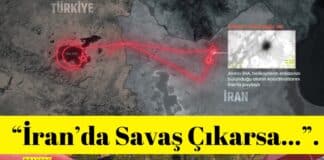
Tıpkı Suriye-Türkiye sınırı gibi Pakistan ile 900 km’lik sınıra sahip olan İran, 24 saatte Irak, Suriye ve Pakistan’ı vurdu. Bu beklenmeyen saldırılar büyük ses getirdi.

İlk olarak Irak’taki Kürt Bölgesel Yönetimi’nin başkenti Erbil’i 12 balistik füzeyle vuran İran, dört sivili öldürdü. İran’a göre üç MOSSAD üssünün imha edildiği saldırıda, İsrail’e ve Barzani ailesine yakın Kürt asıllı iş insanı Peşrev Dizayee’nin öldüğü bildirildi.

Aynı saatlerde Suriye’de muhaliflerin olduğu İdlib’i vurdu. Tahran yönetimi, bu saldırının dayanağı olarak 4 Ocak’ta topraklarında yaklaşık 100 kişinin öldüğü bombalı saldırıları üstlenen IŞİD’i bombaladığını öne sürdü. Bunları konuşamadan saatler sonra da Pakistan’ı bombalayan İran, buradaki Ceyş el-Adl adlı militan grubunu hedef aldığını duyurdu.

Ceyş el-Adl örgütü, Pakistan topraklarında varlık gösteren, ABD ve İsrail destekli olduğu iddia edilen bir grup ve kendisini İran’ın Sistan-Beluçistan eyaletinde “Sünni haklarının savunucusu” olarak görüyor.

Aslında uzaktan bakıldığında Tahran yönetimi, üç saldırısını da meşru müdafaa kapsamında gerçekleştirmiş gibi görünüyor. Ancak bölgede 79’dan bu yana aktif olan, ABD’nin Afganistan işgaliyle birlikte geniş bir alanda kendisini gösteren İran bunca yıl kaçak dövüştü. Dini lider Hamaney’in “stratejik sabır” olarak ünlenen politikası yani ABD ve İsrail ile doğrudan bir çatışmadan kaçınması, İran’ın “Şii Hilali” ekseninde yer alan Irak, Suriye, Lübnan, Yemen ve Filistinli milisleri güçlendirmesiyle devam etti.

İran Batı’nın ambargolarıyla çok yıprandı. Ekonomisi darbe aldı, üst düzey birçok komutanı yine saldırmaktan çekindiği İsrail ve ABD tarafından öldürüldü. Ancak son zamanlarda yaşananlar, İran’ı kısmen de olsa proaktif yaklaşımla “ben buradayım” demeye zorladı. Çünkü “Obama’nın İran’a hediye ettiği” bölgeyi arka bahçe olarak görme devri kapanıyor.

Ukrayna Savaşı, İbrahim Anlaşması ve Gazze sonrası değişen dinamikler yeni stratejilere gebe. Yemen’de yaşananlar da Tahran’ı tedirgin eden bir başka olay. BRICS ve Şangay üyesi olarak ekonomisini çeşitlendirmek isteyen İran ile Pakistan arasındaki bilinmeyen rekabeti de “İran-Pakistan İlişkileri: Bilinmeyen Arka Plan” başlıklı yazıda okuyabilirsiniz.

Bringing The State Back In: Changing Tax Policies Between Core and Periphery

Today, there are many multinational companies spread across the globe and current world trade mostly consisted with the relations within the multinational companies. However, with the start of the age of globalization, some of these multinational companies arise as a blue-chip company, in other words well-capitalised, well-known and well-established companies, alongside with the other sectoral magnets, especially in construction and supply chain services, with giant revenues, which can be compared as industrial magnets of the 19th century. In classical finance, it can be considered for states that are obtain such powerful companies had good revenues through taxation. However, the picture is the quite opposite. Most of the blue-chip companies or sectoral magnets established offshore systems that gridlocked the state’s taxation principles. For example, despite the companies great profits, state’s are generally unable to collect its taxes due to very hideous trick; in most of the company establishment processes, parent companies that are establishing their subsidiary or real persons who will became shareholder to the company through equities, contracting a loan to the company, which neutralise possible dividend distribution taxes due to state, in its inner mechanism, see it as a debt and give priority to the repayment of the debt to the certain companies or persons.

On the other hand, multinational companies’ inner relations are also problematic due to certain reason; in most of the time they do not regulate their prices in accordance with the market principles. Such company policies, constant avoidance of tax, not regulation inner service prices etc. was neglected by the states due to certain reasons until the financial crisis of 2008-9. However, with the certain fiscal deficiencies arose after the financial crisis, states turned their eyes to the this companies due to very certain reason; they needed resource in order to re-organise their economic environment. In order to do that, they started to develop certain policies. In this paper, I will articulate these policies within the two-particular subject, transfer pricing regulations and the BEPS Action Plan. However, as George Orwell stated, some countries are more equal than others.

Such actions taken by the core countries of the world, in order to regain their fiscal strength against the changing world-economy. As reader may understand, companies that will affect from these action plans are mostly Western-oriented, techno-capital intensive companies that at least have one headquarters in Western countries. In order to regulate these companies’ taxation, alongside with the other categorised companies, core states developed such important action. In order to explain that, I will start with the explanation of the state-tax-company triangle, and show that, how revenue system and multinational company activities strengthened the core countries fiscal position in the international system. Secondly, I will show the correlation between the rise of the anti-tax avoidance rules and the 2008 Financial Crisis and show that, how core states found themselves fiscally fragile and in order react developed such policies. At the last part, I will briefly demonstrate that the while core states are able to conduct such policies, peripheral countries are unable to cope with such action plans and how capital transfer emerges through such cycle of BEPS plans. My thesis will hold that, terminologically global actions against tax-avoidance is hideously provide a fiscal imperialism between the core and periphery, while core states benefiting from such anti-avoidance rules, peripheral countries lost such advantages due to two reasons; first of all, they constantly lack of capital in order to development, however, with the rise of such anti-avoidance rules, they might lost one their revenue resources due to group company procedures followed by the BEPS Plan, secondly, peripheral countries lacks adequate state capacity in order to cope with these rules, and this will ended up with more developmental problems against the core.

A) State-Tax-Company: Holy Triangle 

Writers such as Schumpeter (1918) and Goldscheid (1917), believed that the emergence of the taxation in the Western Europe due to three reasons: legal-rational bureaucratization, capitalism and complexity of the division of labour. Moreover, according to the Mann (1943, p. 226), tax exercise three forms of social control, correction of socially undesirable human behaviour, readjustment of economic power between social groups and classes, and combatting the social abuses of capitalism and facilitating the transition to another economic order. On the other hand, in the historical context, early parliamentarian forces, mostly used their legislative power thorough amendment of the taxation policies of the states. Furthermore, historical construction of the European modern states, based on the tax perspective, can be conceived as a dialectic between the obligation (the King’s law based on a sovereignty right) and the legitimate contribution to policy (O’Connor, 1973). In order to examine the state’s role and contributors’ position in the given system, two important typology emerged across the fiscal sociology as follows;

Tax Level Intervention level Low High
Low LIBERAL STATE TAX STATE CRISIS
High WASTEFUL STATE INTERVENTIONIST STATE


Invisible-Tax It is not a social representation (for example, but not always, indirect taxes: VAT…)
Tribute-Tax The felt tax burden is intolerable
Constraint-Tax The felt tax burden is too heavy
Obligation-Tax Tax paid to public authorities (one of the two bases of the formation of the tax State in Europe): legal concept
Exchange-Tax Price paid by the taxpayer for the benefit (services) which he receives from the society: Economic concept
Contribution-Tax Taxpayer judges it legitimate to finance public institutions or policies: Political form of tax consent


In terms of the company-state relations, we need to take into considerations of three specific concept in these definitions: liberal state, interventionist state and obligation-tax. First of all, the “liberal State” with its low level of tax and public interventions is that of the European economy of the nineteenth century. Liberal traditional finances express the will to limit the role of the State for political and economic reasons. It is the apology for the State limited to its sovereignty functions (diplomacy, defence, justice…): it is the reign of economic competition and of the (supposed) invisible hand of market to ensure prosperity. The tax State is limited by the prohibition of economic and social interventions, and it is also neutral with regards to economic decisions.

In the English tradition, following Smith and Ricardo, tax has a strictly financial role consisting in covering the limited expenditure of the State. On the other hand, if we turn our eyes to the other scholars, during the 13th century, Ibn Khaldun stated very important claims regarding the ideal position of the state regarding the tax. According to the Ibn Khaldun, tax increases done by state in order to finance the state expenditures have two outcomes (Ibn Khaldun, 1978). In the short term, such tax policies increase the state’s revenue, however, in the long-term increase of the tax rates will consequence with the decline of the state revenues due to discouragement of the producers and merchants in the economy because it is too much for the establish sustainable economic environment (Ibn Khaldun, 1978). Ibn Khaldun, furthermore, have a cyclic approach for the tax policies, while in the peripheral level, or in the early stages of the state establishment, tax rates are low, due to other sources of revenue still enlarging, in other words conquests or benefit from the trade routes, however, as well as the time pass, once the state establishment is completed and state needs more revenues in order to maintain itself, as a core, tax rates sharply increase and left business men no choice but leaving their production facilities (Ibn Khaldun, 1978). However, more can be analysed in this deterministic approach. As we can see, businessmen left their production capital, but where they move on?

Ibn Khaldun

Answer is simple; they moved on investing mechanisms and financial markets. During the 13th century, due to lack of adequate capital markets, old production capital-owners turned their eyes to the one simple thing; interest-bearing loans that give advantage for the capital-owners. In this regard it is very clear that, increase of the interest-bearing loans also plays very crucial role in the decline of the states or re-peripheralization of the states. We can conclude our idea that the, rise of the interest as a beneficial mechanism in capital production is strictly correlated with the tax policies of the state hence tax is playing very crucial role in the business schemes. Such a policy even now can be seen in Turkey. In most of the company establishment process, capital-owners choose to use shareholder loans for the establishment of the company in order to avoid taxation and benefit from the interests paying by the company due to “debt” derived from the loan. Turkish administration, starting with the 2018, enabled interest deduction for the capital in cash contributions for the shareholders.

Our second important concept is the interventionist state. Interventionist states emerged due to crisis periods. The crisis is more a process than a causal datum. In line with cognitive rationality, the crisis is employed as an argument to justify a rise of taxes. Interventionist states are arise from this crisis, in other words, interventionist states are able keep to taxes high in order to avoid financial crisis and recapitalise the economy, in order to maintain their role as a habitat-provider (Martin and Mehrota and Prasad, 2009). Habitat-provider can be understood in many forms. Based on the Parsons writings on the social systems, Parsons believed that the state-individual relations sustained through the concept of satisfaction, if the satisfaction endangered state also fall into the risk zone (Parsons, 1964).

In our case, citizens, who are regular taxpayers, only feel the satisfaction if the state is able to sustain their daily needs, for example bus rides or basic infrastructures, and such sustainability only maintain through the taxes, due to reason that states do not have own any kind of company for profit as another revenue source. In this regard, based on the satisfaction maintenance, states are the habitat-providers that sustain that habitat through the taxes. Such taxes increase especially on the crisis times, such as wars or recessions, in order to maintain satisfactions of the ordinary citizens in order to remain legitimate. However, in the long run, such interventionism ended up with the massive tax burdens, which were contribution-taxes turn into the constraint-tax and obligation-tax. This is also another perspective for the deterministic approach Ibn Khaldun maintained in his book Muqaddimah. Reader may find cyclic stream between the liberal state and interventionist state as follows.

Last important concept is the obligation-tax. it is unilateral act of a sovereignty nature implying a financial levy of a public authority without counterpart. However, only jurist perspective is not adequate for the explanation of the obligation-tax. Constraint-tax” and “tribute-tax”, situations in which the tax burden is regarded as intolerable, are of course to be proscribed because they encourage tax evasion or revolt. If the perceived constraint is low, tax constitutes an obligation, but if the constraint is too strong, tax is considered as an arbitrary “tribute” (called thus in reference to Roman history) (Webber and Wildavsky, 1986). “Tribute-tax” can lead to anti-tax reactions because of its objective financial weight, but also if it is perceived as unfair. Such perspective can be applied to the corporate-state relations in terms of the corporate income tax. US was the one of the first introduced the corporate income tax to the corporate legal personalities around the world, in 1894, however, such enactment later found unconstituonal by the courts (Seidman, 2004).

However, in 1913, US administrative efforts against approached the same issue and declared 1% corporate income tax for the corporates (Seidman, 2004). With the start of the First World War and continuous economic ups and downs, corporate income tax arises up to 15% until the start of the World War II (Seidman, 2004). As reader can see, before the Great War, US companies mostly held an adverse position against the corporate income tax and perceived it as a constraint tax, and a burden for their own benefits, however, with the start of the turbulence in the global politics, state’s reorganisation of their fiscal status and tried to prevent any major fiscal distress to their treasuries during the period of war, through impose of such tax in increased rates, companies only cope with such activities.

However, at the short term such activities can be considering as a right thing to do in order the strengthen the fiscal budget, but as can seen in the historical records, US government continued to increase those taxes year by year, and during the World War II, these rates jumped nearly into 50%, and US government received 20% of its revenues from such corporate income taxes (Seidman, 2004). Such events needed to some evaluations in order to understand the tax policies in cyclic assumptions. As Ibn Khaldun stated, with every crisis and change of the way of life, state’s expenditures are growing and this expansion consequence with the increase of the taxes, in other words, global turbulences billed to the domestic producers and regular taxpayers, as a result, we can need to see decline in production as a reaction. Best way to analyse such declines are analysis of the GDP changes across the years as follows.

As can be seen on the figures, only two digits increase in the GDPs are the period in 1941-1943, where the US mobilise its full forces in order to actively participate in the war, and such jump in the increase of the GDP can be explained through the war economy. On the other hand, from 1929 to 1960, corporate income taxes moved around between 15% to 50%, and GDP growth rates are mostly negative, or low one-digit growths occurred. Again, only specific high level of increase in the GDP growth occurred during the 1949 and 1950, which correlates with another war, Korean War, which was perceived as national security threat for the US. According to the Khaldunian approach, such dramatic increases are ended up with the Laffer Curves, which means the increase in the tax rates consequence with the decline of the tax revenues.

Figure.x. GDP Growth Rates in US between 1929-1960 (thebalance.com)

As can be seen on the table above, we can clearly say that the, corporate income tax revenues started to decrease with the year of 1952 in the federal revenues, as a result of the increase of the corporate tax rates in the US. This can explain in the terms of the constraint-tax concept and the culture of corporate. As mentioned above, constraint-taxes are considered as a burden for the taxpayers that are not legitimate and left a question in the minds of the taxpayers. In this regard, corporate income taxes are considered as a burden for the companies.


On the other hand, there is also another point, corporates are not only economic unit of the system, but they are also having a political side, especially in the US. Until the 1913, magnets, cartel industries and the monopolies are so widespread in America that, government forced them to split into minor companies. With the increasing tax rates and declining profits, they found themselves in a dead-end. Either they use their lobbying forces in order to decline these rates as did in the 1894, however, times are now changed and US government pursue a world hegemony against the Soviet Union, which that was not an option, or shut down their business and move into the overseas in order to re-organise their profits. As one can see, with the start of the 1952, near-end of the Korean War, federal revenues acquired through the corporate income taxes started to decrease, this can be also an evidence for our study that the US companies started to move around overseas in order to avoid high-taxation and regain their profits, or another option, they started to financialise their capital rather than the increase the production-capital.

Companies, in order to avoid such high-taxation and try to stop further-profit loss, they started to move into two options; restructure of their company organisation for tax efficiency based on tax avoidance principles or move into the capital companies and let loose the production capacities of theirs. During this period, two areas emerged as a tax haven for the company’s search for avoidance. On the one hand, there were traditional tax havens derived from the British Empire-based locations such as Bermuda, Caymans for the offshore financial centres, on the other hand, there was emerging economies, with ties of the colonialism, such as Hong Kong and Singapore became a main holding location (Palan and Murphy and Chavagneux, 2009). However, please also note that, financialization of these companies strictly correlated with the use of holding structures in overseas as illustrated below.

Figure.x. Profit Distribution scheme from Operational local companies to the Holding Companies.

As illustrated, profits derived from the operational companies transferred through a trade company, mainly formed as a Joint Stock Company or Limited Liability Company according to the local legislations, hence trade company’s main aim is the moving the profits to the holding companies, or financial offshore centres, which is located in either emerging economies or in the British Empire-based tax havens which were colonial parts of the Britain (Palan and Murphy and Chavagneux, 2009). However, such tax avoidance attempts also supported by the Bank of England, thorough the transactions executed by British banks on behalf of a lender and borrower who were not located in the UK, were not to be officially viewed as having taken place in the UK for regulatory or tax purposes, even though the transaction was only ever recorded as taking place in London. The reason of the Bank of England took such a huge step in the tax avoidance rules, in order to benefit from the potential cash pooling to the Britain’s economy from foreign jurisdictions, that have high tax rates, which was devastated by the Second World War.

Main relation between the state and the company can be understand in dialectic way. While states try to impose high taxes in order to benefit from the economic enlarging periods of the companies, companies are moving into other jurisdictions, with adequate amount of capital, they turn themselves into the capital companies through restricting. The main reason of the companies attempts for financialization of their systems is the problem of high taxation in national jurisdictions, which lowering the profit rates of the companies from such production. Moreover, financialization is also beneficial for the companies due to increasing level of capital mobility, through such a mobility, companies are become able to avoid state’s taxation rules with financial moves, such as shareholder loans, indebtment of the company through shareholders. Moreover, financial mobility seen beneficial from the state’s perspective in the short term during the times of crisis. Such mobility increases the short-term assets, assets that have high liquidity, brings more cash into the economy, and ended up with monetary enlargement, which lowering the interests, and also increasing the revenues derived by taxes.

This progress in short term, seen beneficial in order to avoid fiscal distress from the perspective of the state. However, in long term, such monetary enlargement brings inflation, and when the companies started to establish and maintain their holding system, economic system ended up with the decreasing revenues, and creating low level trusts against the state’s economic mechanisms that ended up with increase of the cash-hold by the citizens. Eventually, allowance for a holding establishment in foreign jurisdictions, tax havens, create huge problem for the core countries, as now we can see on the 2008-2009 economic crisis. In order to understand the core of the problem, we need to focus on two things; core-periphery systems in the world economy and the fiscal distress bring by the financial crisis on the core countries.

B) Financial Crisis And Change In The World System 

With the Great Recession, emerged due to high-risk subprime lending in real estate sector, shake financial systems of the notably Western core states, starting from USA and spread the UK, Germany, France etc., Marxist writers saw the crisis as a result of the long-term tendency of the rate of profit fall, in other words, the problem was the inability of capital to grow or accumulate at sufficient rates through productive investment alone (Roberts, 2011). Low rates of profit in productive sectors led to speculative investment in riskier assets, where there was potential for greater return on investment. With the failure of the banks and seeing the fact that markets do not fix themselves in a short term, as Friedman argued, after the crisis, there was a Keynesian resurgence occurred.

Keynesian economics believed that the money is unstable due to its nature of use, speculation, and in order to stabilise it, there is a need for state involvement based on the fiscal stimulus and expansionary monetary policies (Reddy, 2009). These expansionary monetary policies are also including increase of the taxes, in order to regain the stimulus in the economy through decreasing the demand inside the economy. As author mentioned in the previous section, state’s main mechanism is the satisfaction of its actors, through maintaining a habitat for them. With the Great Recession, countries such as US, UK or Germany faced with fiscal deficiencies inside their economies that leads to massive protests and unemployment’s that could polarise the entire political system and led to political upheavals (Wolfers, 2011).

On the other hand, countries such as Spain, Greece or Italy faced with the debt crisis, that already effect their political systems, such as happened in Greece, with the debt crisis, political atmosphere also started to change, unemployment’s led to riots and Greek people started to seek other political alternatives for themselves such as the SYRIZA, a coalition of the radical left, which was eventually became ruler in 2015 (Copelovitch and Walter, 2016). As can be noted, main problem was not the crisis itself directly, it was the state’s unpreparedness for such a fiscal burden in order to protect their own habitats. With the start of the Great Recession, core of the world-economy faced with unprecedented pressure on their fiscal systems. In order to avoid such important problem, in order to maintain their habitats and keep the satisfaction as requested, state’s pursued expansionary monetary policies. In this regard, two important terms need to be discussed; core in the world-economies in financial level, and how taxes affect such core-periphery relations.

World-systems theories mostly focused on the trade relations between states and productional capacity of these states in order to determine the economically strong state. In this regard, core economies classified as strong bourgeois and working classes, industrialised, diversified economies that generate wealth. industrialised, diversified economies that generate wealth. However, on the fiscal level, there is also one thing needs to be considered: tax capacity of these states.  As Turchin showed in his book (2016), states in order to avoid any political destabilisation, they need to consider the state’s financial distress. State’s financial distress can be seen in a formula as below.

SFD= Y/G(1-T)

The term Y represents the total debt of state, while G represents the GDP, and T represents the total trust to state by citizens. Trust bonds between state and society can heavily affect the state’s revenues and in order to avoid such problem, states must be maintaining a satisfaction to its citizens. Moreover, if we turn back our world-economy, world-system analysts are mostly focused on the production, trade relations and trade-surplus alongside with the increasing investments into the country rather than the evaluating the monetary policies. However, fiscal structure is also important for the state in order to continue their core dominancy and their institutions which are praised by the world-system scholars. In this regard, tax needs to be evaluated as a main source of fiscal equilibrium of the state. When we look at the core state’s, in the perspective of the tax, there is three important elements in order to gather taxable revenues. First of all, due to diversification of the economy, they allowed group mechanisms inside their tax systems, which means, subsidiary operational companies are allowed to deduct their expenses on behalf of the holding company. Secondly, core state’s mostly have large tax-bases, which in return gather enormous tax revenues from their citizens. However, please note that, such tax base is large not the reason of high tax rates, but due to great numbers of registers to their revenue administrations. You may find the average tables as follows.

Figure.x. Average Corporate Income Tax Rate around the World (OECD)

As you can see, average rates in Europe, one of the most classical core regions in the world-economy can be seen as one of the lowest rates, however, on the other hand, reader may confuse why North America have such a bigger average rate compared to the other core regions. As reader can see, there is no such a big difference between the tax rates, or high tax impose done by the tax authorities in the core countries. When we compare the G7 countries and BRICS countries, there is only a minor difference arose in terms of the rate of the taxation. Moreover, there is also global effort for the decrease the tax rates. Within the four decades these rates declined from 40-50% to 20-25% and the further decreases are predicting by the OECD. Decreasing the tax levels can be analysed in two ways from the perspective of the world-economy. First of all, such decreasing trends coincided with the capital accumulation crisis of the world-capitalism, and accumulation crisis led to capitalists to pursue other jurisdictions in order to continue their business, however, majority of these capitalists emerged and maintained their business in core regions, US and Europe, and their capital mobility from this region to others ended up with weakening fiscal position of these states, as mentioned in the mechanisms of the holding company above.

For avoiding such problems, core states incorporated the lowered corporate tax rates for the sake of their revenues. Secondly, such decreasing trends are crucial for the core states in order to compete against the developing states. In the first analysis, capitalists made their choices through rational model, which means they believe that the in order to avoid tax, they should move on foreign jurisdictions where the tax rates are minimal, due to their capital mobility thanks to foreign financial centres or holding companies. In this regard, this group is mostly financialised and seeking for the optimal solution for their needs. On the other hand, in the second analysis, developing countries also tries to attract producers, industrial magnets to their country through incentives. Tax incentives through production inside the local jurisdiction mostly beneficial for the operational companies in order to lowering the expenses and increasing the profits.

Such incentive schemes can be seen in the Turkey, India, Brazil, Argentina etc. With these incentive plans, developing countries, semi-peripheral states, tried to relocate the global capital to their jurisdiction and pursue a policy of industrialisation and diversification of their economy. Please note that, such incentive plans not always have to do with industrialisation, many incentive plans also maintained for the service sectors for the sake of the diversification of these economies. In this regard, core states are continuing to maintain lower corporate tax rates in order to compete against the lower or zero tax rate jurisdictions provided by the peripheral countries and incentive plans developed by the semi-peripheral countries. Such competitiveness for the capital mobility is naturally consequence with the lowered rates of the corporate tax rates and establishment of the participation exemptions by the core countries. In this regard, one of the most successful examples of this issue is the Netherlands, while on the one hand, maintained corporate tax rate at the 25% level, maintained many exemptions for the profit distribution in order to stay attractive for the capital mobility around the world. Many developing countries, including Turkey, and their capitalists still see Netherlands as a holding centre, which is a opportunity for the enlarge their operations to the world.

Figure.x. Average Corporate Income Tax Rate Change between 1980-2021 (OECD)

With the Great Recession, core countries faced with huge delinking process from its citizens in political manners, such as the giving bailout funds to big companies but such bailouts used as promotions and prize moneys by the companies to their managerial staffs, or reluctant position towards the inflation, while citizens demanding domestic reforms, states impose international agendas which accelerate the immigration crisis and global flow of workforce, intervention to the another states jurisdictions and their affairs with the another countries, such as in the example of the Iran-US affairs, despite the recessionist threats arising form financial sectors in 2009 and 2010, US still continued contamination of Iran policy as a priority and moved this issue to the UN. Such ignorance against the citizens ended up with decreasing trust between state and society. This low level of trust also correlated with the state revenues. With the risky environment, citizens cut their investments to the bonds, which is one side of the revenue problem for the states. Moreover, from the perspective of the tax, revenues started to decrease as a result of this recession and decreased trust levels as can see below.

Figure.x. Corporate Income Tax Revenues Changes between 2008-2013 (Tax Foundation)

These companies do not face with massive shutdowns, as did on the Great Depression before, so what happened to all that money? They moved their capitals to the zero tax jurisdictions or developing countries in order to avoid the burden of the increasing expenses in the core countries. James Henry’s estimation is the total up to USD 36 trillion hidden in the tax havens (2016). Moreover, the average tax revenue as a portion of GDP hit 32.7% in 2009 its lowest level in nearly two decades. Beyond that, tax revenue in cash terms shrank in nearly all member states. Only Switzerland, Luxembourg, and Turkey escaped the cash crunch that year. In order to cut such evasions and avoidance from the tax, for the sake of the maintenance of the state’s fiscal status and remain as a core position in the world-economy. To do this, with the initiative from the OECD, G20 countries created the BEPS Action Plan, in order to fight against the tax evasion and tax avoidance done by the multinational companies.

C) BEPS Action Plan: How To Maintain Core 

BEPS action plan aimed for the mitigate tax code loopholes and country-to-country inconsistencies so that corporations cannot shift profits from a country with a high corporate tax rate to countries with a low tax rate (OECD, 2013). BEPS Action Plan planning for the cutting double taxation and double non-taxation in order to avoid companies profit shifting mechanisms and provide a systemic tax base for the globe (OECD, 2013). However, the aims itself can be regarded as a question in itself. First of all, BEPS plan claiming the end of the double taxation in different jurisdictions in same business. However, states since the end of the Second World War, tried to abolish such harmful practices through the Double Tax Treaties signed bilaterally. In Double Tax Treaties, in order to avoid double taxation, states maintained their right to tax privilege in certain articles, both in the business establishment and profit transfer from one jurisdiction to another. For example, Turkey today have 90 Double Tax Treaties signed with foreign jurisdictions in order to avoid such Double Taxation issues (Gelir İdaresi Başkanlığı, 2022). In this regard, OECD’s position on the “end of the Double Taxation” is not very sophisticated and new way of thinking. On the other hand, cutting non-taxation is another problematic issue in the BEPS plan.

Planning for a control of the tax havens in order to maintain global fiscal strength can be regarded as beneficial for all the states, however, BEPS Action Plan is not mainly focused on such thing. Most of the structures that considered as problematic by the OECD is either derived from the company’s rights given by the Double Tax Treaties or jurisdictional local legislations and their exemptions. For example, Double Irish method in order to avoid high tax rates, mainly consisted of the corporations with intellectual property (“IP”), which are mostly technology and life sciences firms, can turn this into an intangible asset (“IA”) on their balance sheet, and charge it out as a tax-deductible royalty payment to end-customers (Dharmapala, 2014).

The Double Irish enables the IP to be charged-out from Ireland, which has a large global network of full bilateral tax treaties. As can be seen, flowing out of the capital from US to Ireland, which has many tax incentives to the technological outputs under the terms of intellectual property. Moreover, such policies regarded as base erosion according to the OECD, however, in order to can be clarified as a base erosion, first of all, such companies need to be pay zero tax, mainly establish on the tax havens such as Caymans or Bermuda, however, in this scenario this is not a case.

Companies such as Apple, Microsoft, Starbucks, Pfizer or IBM regularly used such plans, and they are all regular taxpayers in both countries. Moreover, with establishment in location such as Ireland, which is semi-peripheral state that right next to the UK, technology transfer from US to Ireland also emerges which can contribute to the catch-up policies in development terms, alongside with the capital reallocation. The main reason of OECD calling such activities as a base erosion, it is reasoning that capital, and its taxable part, flowing out from core states such as US to semi-peripheral states, such as Ireland. Due to that reason, in order to avoid such “erosion” of the tax base, they also developed Pillars in order to determine which jurisdiction able to tax which capital.

In 2021, OECD introduced new 2-pillar solution for the base erosion and profit shifting. The scope of pillar one is in-scope companies are the multinational enterprises (MNEs) with global turnover above 20 billion euros and profitability above 10% (OECD, 2021). In order to determine tax base, this pillar distributes MNEs’ excess profits to regions where consumers or users are concentrated, regardless of whether the enterprises are physically present there. The amount to be distributed will be calculated as 20–30% of the remaining profits of the enterprises included in the scope.

However, while thinking world’s most of the GDP produced by the G7 states, at the most distributable period G20, such policy means that most of the taxation rights directly moves into the mainly core states and very small portion of it moves into the developing countries. Such inequality in the taxation principals will further alienate the semi-peripheral groups and further accelerate the use of tax havens by the companies with certain incentives granted by the developing nations. Moreover, categorisation of these countries is also problematic. 20 billion EUR worth companies mostly consisted of the western core nations, such as US, UK, France, Germany, with the certain exception to Russia, Japan and China.

With such categorisation, OECD directly gives the right of the taxation to the core nations and restricting capital mobility in local jurisdictions, because as per the pillar provides, with such expansion to other jurisdictions, this will bring more taxation for the multinational companies since with the OECD’s aim for the end of the Double Tax Treaties, MNEs will not benefit from the certain exemptions or privileges that granted to them through these bilateral agreements.  Due to that reason, as reader can understand, pillar one tried to hold big multinational companies in home in order to benefit from their revenues as a taxable resource for the maintenance of their fiscal status.

Second pillar, however, represents another important development in the taxation field. Pillar Two introduces global minimum tax rate of 15% for the multinational groups with revenues more than EUR 750 million (OECD, 2021). The link between parent MNCs and their subsidiaries is discussed. If the MNC’s subsidiary has low-taxed income, the MNC will need to pay a top-up tax to raise the income’s applicable tax rate to 15%. Please note that, subsidiaries based in tax havens are now exempt from paying taxes or only pay a minimal amount. This process maintained by the three important rules; inclusion rule (IIR), the undertaxed payments rule (UTPR) and the subject to tax rule (STTR).

The main regulation is the IIR. It will be used and paid for in the parent MNC’s country of residence (OECD, 2021). It won’t, however, apply to the actual head office. If the effective tax rate of all the merged firms and branches in each jurisdiction falls below the minimum tax of 15%, this rule establishes a top-up tax that is charged to the head office. On the other hand, subject to tax rule propose that, standardization of the levied tax on the certain payments at certain levels between 7.5% and 9% (OECD, 2021). In sum, countries which have lower corporate tax than the 15% may lose their taxation rights under these rules and moved on other jurisdictions easily. Second pillar can be analysed in three ways in terms of the core periphery relations. First of all, such policies strengthening the core nations fiscal power in the world politics. Core countries over the four decades systemically decreasing their corporate tax rates and tried to maintain big holding companies under their local jurisdiction.

In 2018, US also introduced tax reforms in order to stay attractive for the big companies in terms of the headquarters and operational level. This of course happened due to compete against the developing countries in order to stop capital flows from core to periphery. In this regard, core countries with amending such pillar, forcing capital mobility to “stay at home” for their further dominance and gather adequate revenue for their dominance over the world politics. Secondly, states such as UAE, developing countries, for a long-time attractive finance centres for various capitalists, due to low tax rates. However, with the implementation of such rules, their attractiveness will be lost due to low tax rates than the foreseen by the pillar two, and eventually capitalists will pay their taxes at one level or another. As a result, their development program, which is strictly related to the foreign direct investments, halted or slowed down.

This brings status quo to the system, a brief moment for the core countries in order to revenue accumulation and establish a barrier for the developing countries process. As a result, multinational companies will gradually become less multinational, limiting their zones to the European Union zone and North America, which both are maintain their regional tax incentives intact. And with the withdrawn from the other regions, apart from the operational companies, capital flow to these regions will be restricted and development will be slowed down. Thirdly, such action prevents most of the tax incentive programmes and policies provided by the developing countries. Pillar Two provides certain level of taxation to certain activities, such as royalties, that means the any tax incentive program, which reducing the tax rates temporarily or granting tax-free programmes will be null and void from the perspective of the investors. Because if certain tax levy will not be made, taxation right moved into another company in the multinational chain. So why they bother themselves for such problems, if they pay taxes at the same level, why do they choose Turkey, instead of US, Netherlands, UK?

D) Conclusion 

For states, tax is very essential part of the revenue due to establish a stable environment for their citizens in order to avoid any political upheaval or discontent threat. On the other hand, one of the revenue relations of the state establish with the companies. While evaluating the company and state relations in terms of the taxation, due to company’s main aim, search for the accumulation of profit, and state’s hunt for the any revenue that it can be able to collect, made this relation very conflictual. In order to avoid such tax problems, companies are generally used holding structures through financialization of their structure, moving production to finance. Generally, they establish foreign holding structures and transfer their profit’s foreign favourable locations and continue their business. These favourable locations can be either tax havens, peripheral zones, or can be developing countries which are competing with the core countries and proposing tax incentives, establish widespread bilateral tax incentives in order to attract capital from other jurisdictions.

With the Great Recession, core countries faced with huge fiscal distress that threatened their domestic political legitimacy from the eyes of their citizens. In order to prevent total rebellion, as did on Egypt, Libya and Syria, they started to enlarge their revenues for the continuation of the circus and bread policies. To do so, they introduced the BEPS Action Plan, which delegitimize the older benefits of the bilateral double tax treaties, and tax exemptions provided by the local jurisdictions. Moreover, they also introduced pillar system, which forcing investors to stay in national jurisdiction and try to delegitimize every aspect of the previous tax incentives and exemptions provided by the states. Furthermore, with these pillars, they also try to implement a global corporate tax level, at 15%, and throughout the rules, they imply that the, developing countries needs to increase their corporate tax levels in order to held their taxation rights which means restriction for the developing nations in terms of the foreign direct investment plans from abroad. This will be led to hold developing countries progress and eventually consequence with the long-term core dominance over the developing nations.

https://stratejikortak.com/author/eneskaynak

[vc_toggle title=”KAYNAK”]

BIBLIOGRAPHY

Ronen Palan, Richard Murphy and Christian Chavagneux, Tax Havens: How Globalization Really Works, Ithaca: Cornell University Press, 2009.

F.K. Mann, “The Sociology of Taxation.” The Review of Politics 5: 225-235, 1943.

Sudeep Reddy,  “The New Old Big Thing in Economics: J.M. Keynes”. The Wall Street Journal, 08.01.2009

Justin Wolfers, “Mistrust and the Great Recession”, Freakonomics, 09.03.2011

M. Copelovitch, J. Frieden and S. Walter, The Political Economy of the Euro Crisis. Comparative Political Studies, 49(7), 811–840. (2016)

OECD (2013), Action Plan on Base Erosion and Profit Shifting, OECD Publishing. http://dx.doi.org/10.1787/9789264202719-en

Dhammika Dharmapala, “What Do We Know About Base Erosion and Profit Shifting? A Review of the Empirical Literature”. University of Chicago, 2014.

J. O’CONNOR (1973). The Fiscal Crisis of the State. New York: St Martin’s Press.

J. Webber and A. Wildavskyi, A History of Taxation and Expenditure in the Western World. New York: Simon and Schuster, 1986.

Abd al-Rahman ibn Muhammad Ibn Khaldun, Muqaddimah, Routledge & Kegan, 1978.

Talcott Parsons, The Social System, Routledge, 1991.

Sol Picciotto, International Business Taxation, London: Weidenfeld and Nicolson, 1992.

J. S. Seidman, Seidman’s Legislative History of Federal Income Tax Laws: 1938-1861, The Lawbook Exchange, Ltd., Clark, New Jersey, 2003.

[/vc_toggle]